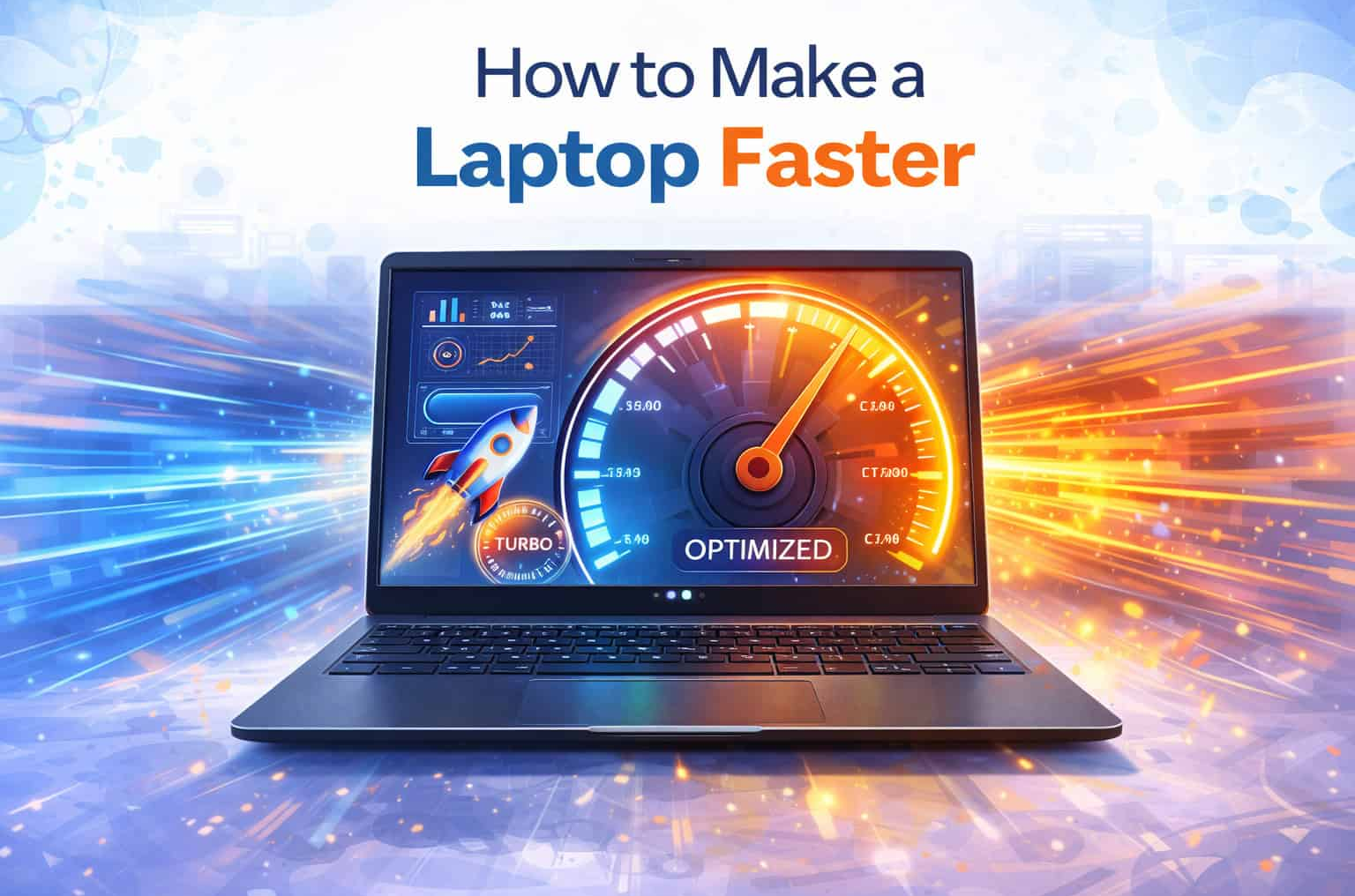
Over time, your laptop may start to feel sluggish as you install more applications, accumulate files, and update software. Fortunately, there are several strategies you can implement to speed up your laptop’s performance without necessarily needing to upgrade hardware. Whether you’re using a Windows, macOS, or Linux laptop, these tips will help you optimize its speed and responsiveness.
Clean Up Disk Space
One of the most common reasons for a slow laptop is a full or nearly full hard drive. Follow these steps to free up disk space:
- Delete Unnecessary Files: Remove old downloads, temporary files, and unused applications.
- Use Disk Cleanup: On Windows, use the built-in Disk Cleanup tool to remove temporary files and system files that are no longer needed.
- Empty Trash: On macOS, empty the Trash to permanently delete files.
- Use External Storage: Move large files like videos and photos to an external hard drive or cloud storage.
Manage Startup Programs
Many applications automatically start when you boot up your laptop, which can slow down the startup process. To manage startup programs:
- On Windows: Open Task Manager (Ctrl + Shift + Esc), go to the “Startup” tab, and disable unnecessary startup programs.
- On macOS: Go to System Preferences > Users & Groups > Login Items, and remove or disable applications you don’t need at startup.
Update Your Operating System and Drivers
Keeping your operating system and drivers up to date can improve stability and performance:
- On Windows: Go to Settings > Update & Security > Windows Update, and install any available updates.
- On macOS: Go to System Preferences > Software Update, and install macOS updates.
- On Linux: Use your distribution’s package manager to update the system and drivers regularly.
Optimize Startup and Shutdown
Configure your laptop to optimize startup and shutdown processes:
- Disable Visual Effects: On Windows, go to Control Panel > System > Advanced System Settings > Performance Settings, and select “Adjust for best performance” or customize which visual effects to disable.
- On macOS: Go to System Preferences > Dock, and uncheck “Animate opening applications.”
Upgrade Your RAM
If your laptop supports it, upgrading RAM can significantly improve performance, especially if you regularly run memory-intensive applications like games or video editing software.
- Check Compatibility: Verify the type and maximum capacity of RAM your laptop supports.
- Purchase RAM: Purchase compatible RAM modules from reputable manufacturers.
- Install RAM: Follow manufacturer instructions to install RAM modules properly.
Manage Browser Tabs and Extensions
Web browsers can consume a lot of memory, especially if you have multiple tabs open or numerous extensions installed:
- Close Unused Tabs: Keep only the tabs you need open.
- Disable or Remove Extensions: Evaluate which extensions are essential and disable or remove unnecessary ones.
Run Disk Defragmentation (Windows) or Optimization (macOS)
- On Windows: Use the built-in Disk Defragmenter tool to optimize the organization of data on your hard drive.
- On macOS: macOS automatically optimizes SSDs, but for HDDs, you can use third-party tools like Disk Utility to defragment.
Use Lightweight Antivirus Software
Some antivirus programs can consume significant resources. Consider using lightweight antivirus software that provides adequate protection without slowing down your laptop.
Adjust Power Settings
Optimize your laptop’s power settings to balance performance and battery life:
- On Windows: Go to Control Panel > Power Options, and choose a power plan that suits your needs, such as “Balanced” or “High Performance.”
- On macOS: Go to System Preferences > Energy Saver, and adjust settings to optimize performance based on your usage.
Restart Your Laptop Regularly
Restarting your laptop can clear memory and reset processes, improving overall performance over time. Aim to restart your laptop at least once a week.
Conclusion
By implementing these tips, you can significantly improve your laptop’s speed and responsiveness without necessarily needing to invest in new hardware.
Regular maintenance, optimization of startup programs, and managing disk space are key to keeping your laptop running smoothly.
Experiment with these strategies to find the combination that works best for your specific laptop and usage habits, ensuring a faster and more efficient computing experience.