
Apple has officially unveiled the all-new MacBook Neo, a completely new addition to the Mac lineup aimed at bringing the Mac experience to more users at a lower price point.
Positioned below the MacBook Air, the MacBook Neo combines Apple silicon performance, all-day battery life, and a premium aluminum design—starting at a breakthrough price of around $599.
This marks a major shift in Apple’s strategy, targeting students, casual users, and first-time Mac buyers.
Powered by iPhone-Class Performance (A18 Pro Chip)
One of the most interesting aspects of the MacBook Neo is its processor.
Instead of using Apple’s M-series chips, the Neo is powered by the A18 Pro chip, originally designed for iPhones.
This chip includes:
- 6-core CPU
- 5-core GPU
- 16-core Neural Engine
What this means:
- Smooth performance for everyday tasks
- Efficient power usage (better battery life)
- Strong AI capabilities via Apple Intelligence
This makes the MacBook Neo ideal for:
- Web browsing
- Office work
- School tasks
- Light creative workflows
13-inch Liquid Retina Display
The MacBook Neo features a 13-inch Liquid Retina display with:
- Resolution: 2408 × 1506
- Brightness: 500 nits
- Support for 1 billion colors
The display is designed to deliver:
- Sharp text for productivity
- Vibrant visuals for media
- Better quality than most laptops in this price range
All-Day Battery Life
Apple claims the MacBook Neo can deliver:
- Up to 16 hours of video playback
- Up to 11 hours of web browsing
This makes it one of the strongest battery performers in the budget laptop segment.

Design, Colors & Build Quality
Despite being a budget-friendly Mac, Apple keeps its premium design approach:
- Durable aluminum chassis
- Lightweight and portable (~2.7 lbs)
- Available in multiple colors:
- Silver
- Indigo
- Blush
- Citrus
This gives the Neo a more playful, modern feel compared to traditional MacBooks.
SSD Storage Explained
According to Apple’s official specs, the MacBook Neo comes with:
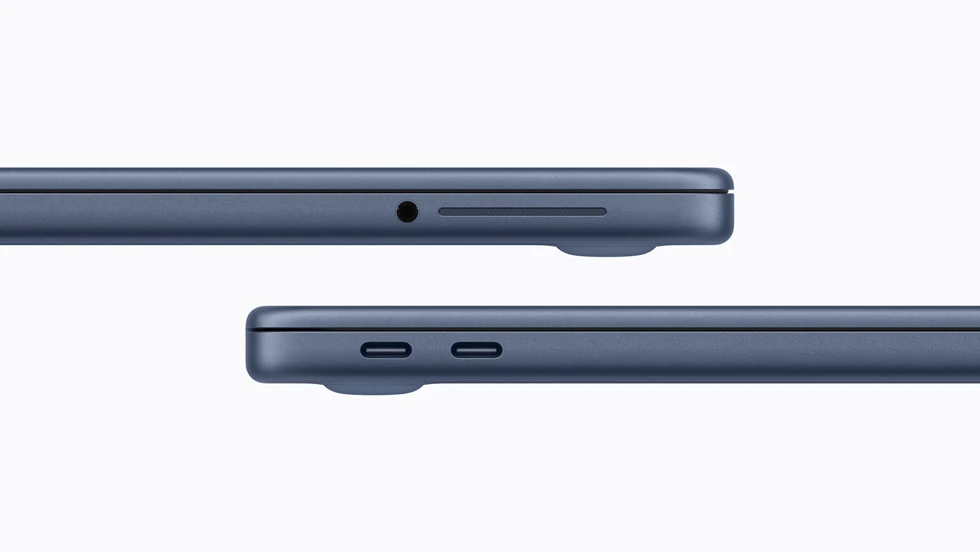
You can see the difference side by side here.
Ports & Connectivity
Connectivity is simple but functional:
- 2× USB-C ports
- 3.5mm headphone jack
- Wi-Fi 6E + Bluetooth support
Final Thoughts
The MacBook Neo represents a major shift for Apple – bringing its premium design and ecosystem to a much wider audience at a lower price.
From a specs perspective, the MacBook Neo is not trying to compete with high-end laptops. Instead, it focuses on delivering just the right balance of performance, battery life, and everyday usability. The A18 Pro chip, while not as powerful as the M-series, is more than capable for daily tasks like browsing, streaming, office work, and light creative use. For most users, this level of performance will feel fast, smooth, and reliable.
The price is where the Neo becomes especially compelling. Starting around $599, it undercuts most premium laptops while still offering:
- A high-quality display
- Excellent battery life
- Premium aluminum build
- Access to the Apple ecosystem
This combination makes it one of the most attractive options in the budget-to-midrange laptop category.
However, the key question remains: should you buy it?
You should consider the MacBook Neo if:
- You want an affordable entry into the Apple ecosystem
- Your usage is focused on web, office, school, and media
- Battery life and portability matter more than raw power
- You’re upgrading from an older laptop or Chromebook
You may want to skip it if:
- You need high performance for editing, development, or heavy multitasking
- You want long-term scalability (limited RAM/config options)
- You plan to use demanding apps or gaming workloads
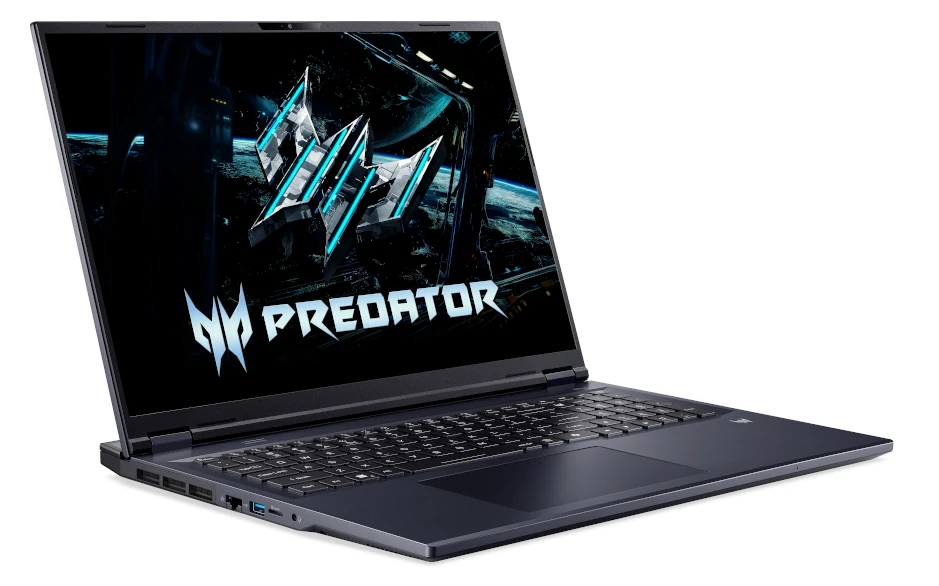
Acer has officially unveiled its refreshed Predator Helios Neo lineup for 2026, bringing major upgrades in both processing power and graphics performance. The new models—Helios Neo 16S AI, Helios Neo 16 AI, and Helios Neo 18 AI—are designed to deliver what Acer calls “desktop-class performance” in portable gaming laptops.
Next-Gen Performance: Intel Core Ultra + RTX 50 Series
At the core of the new Predator Helios Neo lineup are Intel’s latest Core Ultra 200HX Plus CPUs, built to deliver faster responsiveness, improved efficiency, and enhanced AI capabilities.
On the graphics side, Acer integrates NVIDIA’s RTX 50 series (Blackwell architecture), offering:
- Improved ray tracing performance
- AI-powered rendering with DLSS 4.5
- Higher FPS and lower latency
- Enhanced creative workloads
These GPUs bring a new level of AI acceleration and graphics fidelity, enabling smoother gameplay and faster rendering than previous generations.
Display Upgrades: OLED + 240Hz Gaming
One of the biggest highlights is the move toward OLED HDR displays across the lineup, featuring:
- Up to 240Hz refresh rate
- 1ms response time
- 100% DCI-P3 color accuracy
- WQXGA (2560×1600) resolution
These specs are ideal not only for gaming but also for content creation, giving users both speed and visual precision.
Models Breakdown: 16S vs 16 vs 18
Predator Helios Neo 16S AI (Slim & Portable)
- Under 18.9mm thin
- Built for gamers on the go
- OLED 240Hz display
- High-end CPU + GPU options
Best for: portability + high performance
Predator Helios Neo 16 AI (Balanced Power)
- Full-size 16-inch performance machine
- Advanced cooling (AeroBlade fans + liquid metal)
- Killer Ethernet + Wi-Fi 6E + Thunderbolt 4
Best for: competitive gaming + streaming
Predator Helios Neo 18 AI (Maximum Immersion)
- Large 18-inch display
- 240Hz panel + ACR tech
- Designed for immersive gaming experiences
Best for: desktop replacement gaming
AI Features & Smart Performance
Acer is clearly pushing toward AI-powered laptops, with features like:
- AI-enhanced webcam (PurifiedView)
- AI noise reduction (PurifiedVoice)
- Smart system tuning via PredatorSense
- NVIDIA AI acceleration for gaming + creative apps
Cooling & Hardware Specs
To handle the increased performance, Acer includes:
- 5th Gen AeroBlade 3D fans
- Liquid metal thermal grease
- Vector heat pipes
Other key specs:
- Up to 64GB DDR5 RAM
- Up to 2TB PCIe Gen4 SSD
- RTX 5080 Laptop GPU with GDDR7 VRAM
Source: Acer